The title is central to a vehicle transaction because it connects a specific VIN to legal ownership. Yet the paper title in a seller’s hand usually shows only the current state of the record. A vehicle title report can add historical context by organizing earlier title events, ownership changes, brands, locations, mileage entries, and related vehicle records.
This history can help explain how long the current owner held the car, whether it moved between jurisdictions, whether an insurer or salvage process affected the title, and whether the seller’s description aligns with documented events. It is useful for research, but it must be paired with the current physical title and official confirmation.
Vehicle title report versus the physical title
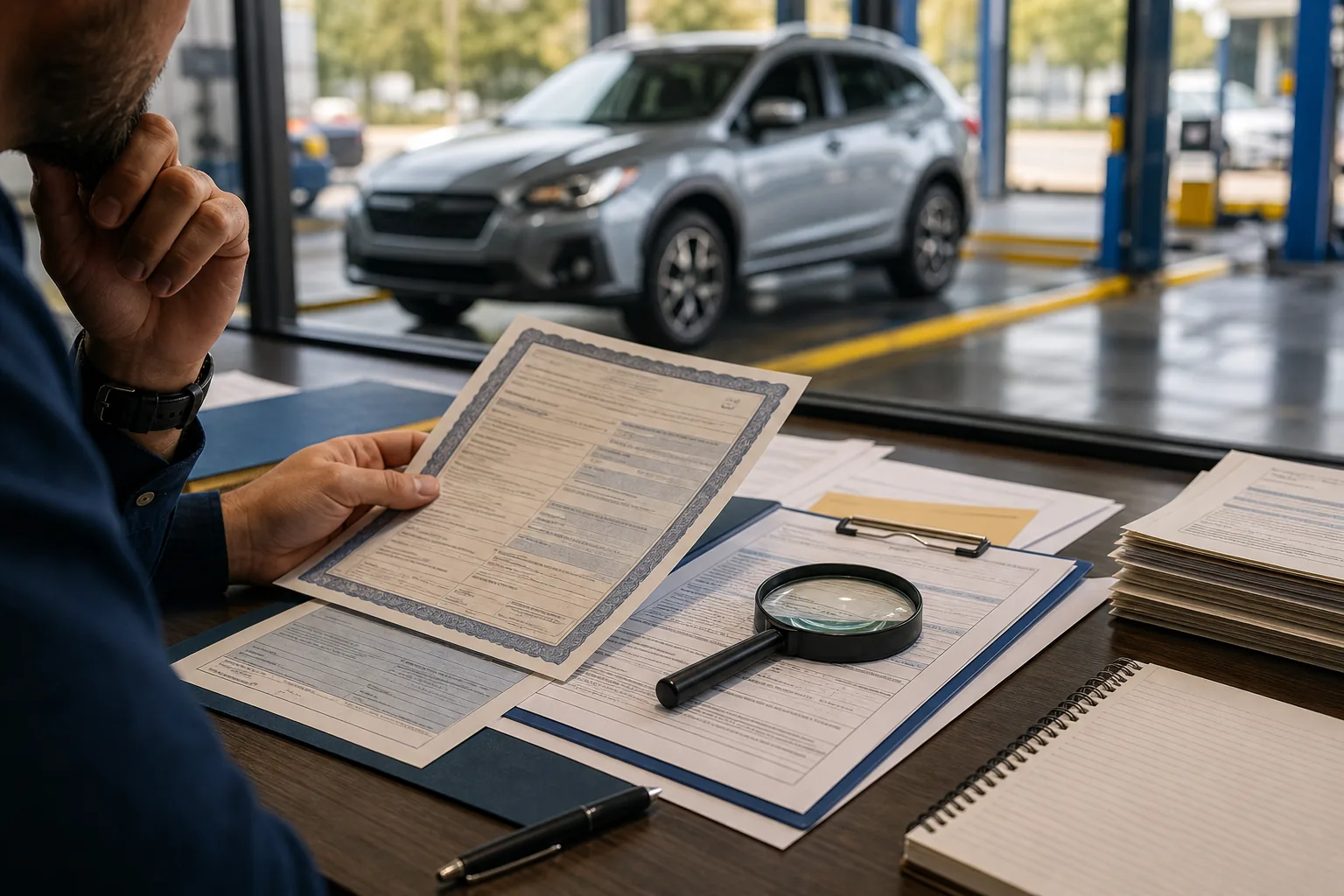
The physical certificate of title is an official document issued by a motor vehicle authority. It generally names the current titled owner, identifies the vehicle, lists a lienholder when applicable, and may display title brands or odometer information. The exact design and fields vary by jurisdiction.
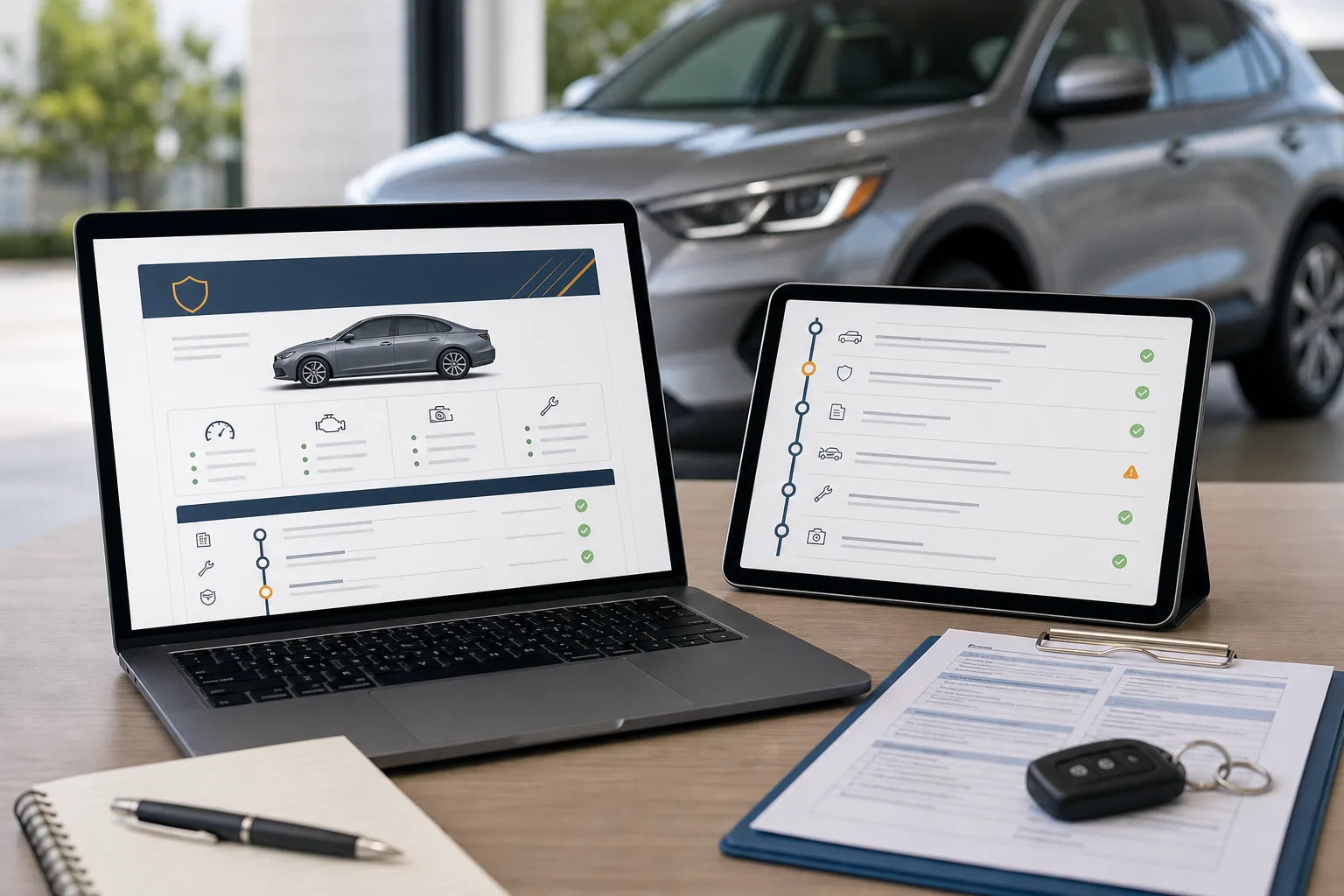
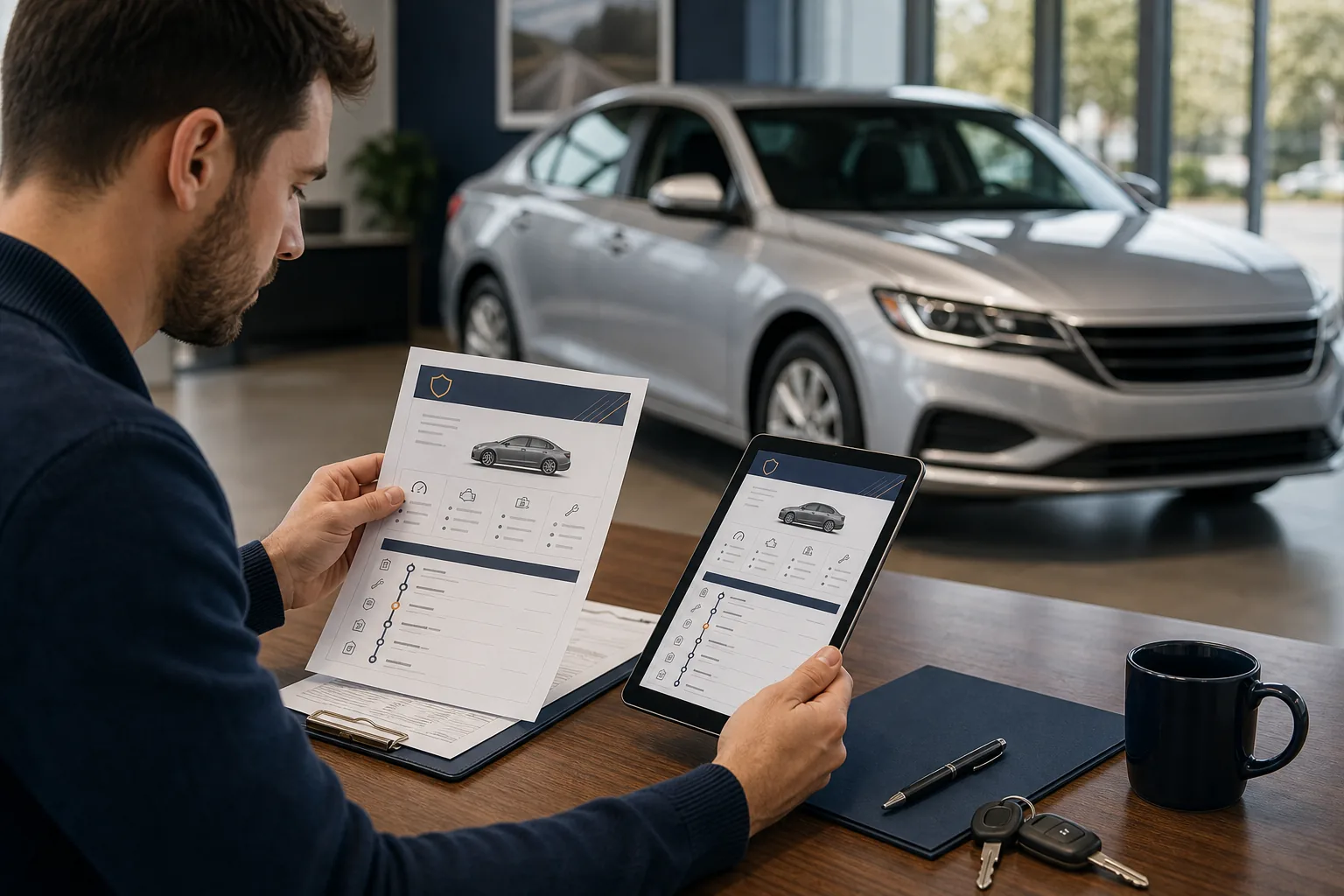
A title report is not a replacement document and does not transfer ownership. It is a research tool built from available records. Think of the title as a current legal snapshot and the report as a historical timeline. During a purchase, you need both: the report helps you find questions, while the official document helps establish whether the seller can legally complete the transfer.
What a vehicle title report may reveal
Ownership history and transfer events
Ownership history may include the number or sequence of titled ownership events, approximate dates, registration locations, or use classifications. Privacy rules generally prevent a commercial report from disclosing private owners’ names and addresses. Even without identities, the timeline can show whether the seller’s claim of long-term ownership is plausible.
Frequent transfers are not automatically negative. Dealer inventory movement, leasing, relocation, family transfers, and administrative changes can all create records. What matters is whether the sequence makes sense and whether unexplained transfers coincide with damage, auctions, title brands, or rapid resale.
Title brands and status changes
Available records may identify salvage, rebuilt, flood, junk, total-loss, or other status indicators. A brand can affect registration, insurance, financing, warranty coverage, and value. Because definitions vary, use our guide to hidden title issues to understand the questions each brand should trigger.
Registration locations
Where a vehicle was titled or registered can provide useful context. Climate, road salt, flood exposure, inspection rules, and title procedures vary by region. A move itself is ordinary; a series of rapid moves after a major loss deserves a closer look at the continuity of the title status.
Lien-related information
A title may list a lender or other secured party. The seller should provide a valid release or arrange payoff according to a safe, documented process. A historical report may add context, but current lien status should be confirmed through the title document and appropriate official or lender channels.
Odometer and mileage entries
Title and registration events can include mileage readings. When arranged chronologically, those entries help you evaluate whether the current odometer is consistent with the recorded history. Mistakes occur, so investigate a discrepancy rather than assuming fraud from one data point.
Connections to damage, insurance, and auction records
A title event gains meaning when it appears beside other records. A total-loss indicator followed by an auction entry and rebuilt title tells a more complete story than any one item alone. That is why broader vehicle history research can be more useful than a title-only lookup. See our accident and damage records guide for the repair side of that timeline.
A strong title review asks whether ownership, mileage, jurisdiction, damage, and listing events form a coherent sequence.
How to read a title history timeline
Begin with the oldest event and move forward. Note the first title or registration location, then mark each ownership transfer, mileage reading, jurisdiction change, brand, auction, and listing. Keep a short list of events that need clarification.
Next, compare the timeline with the seller’s story. If the seller says the car has been owned for six years, does the report show a recent transfer? If the vehicle is advertised as never damaged, do title or insurance events suggest a total loss? If the odometer reads 62,000 miles, does the sequence rise naturally toward that figure?
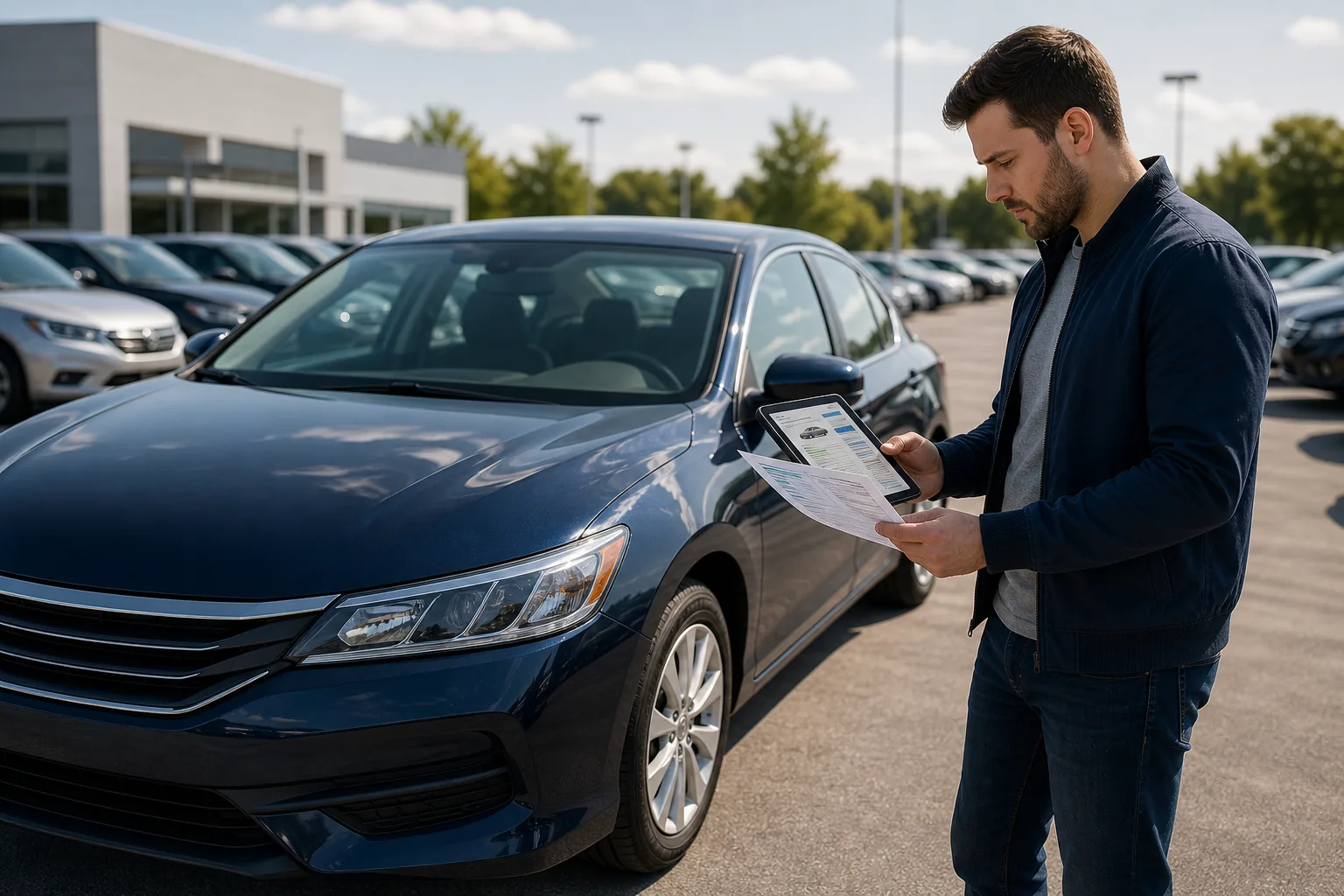
Finally, compare the report with physical evidence and paperwork. VIN labels should match. The title should have the expected brand and owner information. Service records should fit the location and mileage history. Prior listing photos, when available, should resemble the current vehicle and show a consistent VIN or specification.
A step-by-step title verification process
- Check the VIN on the vehicle. Review the dashboard plate, door label, and other manufacturer identifiers.
- Check the VIN on every document. Compare the title, registration, bill of sale, report, and advertisement.
- Confirm the seller’s authority. The titled owner or properly authorized party should complete the transfer.
- Read all brands and notations. Do not rely on the seller’s verbal summary.
- Resolve liens before payment. Use documented payoff or release procedures.
- Contact the official authority. Verify current requirements, status, fees, and transfer rules.
- Document the transaction. Keep copies of the report, bill of sale, title assignment, releases, and inspection.
For a broader view that includes available ownership, mileage, accident, listing, and auction context, compare the Sales Title Meter report packages. You can also view the sample report layout before choosing.
What title records cannot guarantee
Records can be incomplete, delayed, duplicated, or entered incorrectly. A title report cannot guarantee that every damage event was reported, that every repair was done correctly, or that the current physical document is authentic. It does not prove the vehicle is mechanically sound or free of hidden corrosion.
Likewise, the absence of a brand does not eliminate risk. A vehicle may have significant repaired damage without crossing a total-loss threshold, or an incident may never reach a participating source. Use the title timeline to guide a professional inspection rather than to replace one.
When used correctly, title history is a powerful decision aid. It helps buyers slow down, identify inconsistencies, and verify the transaction before payment. Start at the Sales Title Meter home page or read why a VIN report matters before buying a used car.
Frequently asked questions
Is a vehicle title report the same as the physical title?
No. The physical title is an official ownership document. A report organizes historical information and does not establish or transfer legal ownership.
Can a title report show previous owners?
It may show ownership events, counts, dates, locations, or use types. Personal identities are generally restricted by privacy rules.
Does title verification replace a DMV check?
No. Use a report for research, then confirm current legal title, brands, liens, and transfer requirements with the appropriate motor vehicle authority.
What if the title report contains an error?
Compare the entry with official documents and contact the relevant source or authority. Do not ignore a material discrepancy during a purchase.