Search for information about a used car and you will encounter several phrases: VIN report, vehicle history report, VIN lookup, VIN check, and car history check. These terms are often used for similar products, but the information behind them can range from a basic specification decoder to a detailed multi-category history.
The most useful way to compare services is to ignore the marketing label for a moment and review the actual record coverage. Ask what the report includes, where information may come from, how the timeline is organized, what limitations are disclosed, and whether the depth matches the value and risk of the vehicle you are considering.
The short answer: the terms often overlap
In everyday use, “VIN report” and “vehicle history report” commonly refer to a report generated by searching a specific vehicle identification number. Both may provide vehicle specifications and available historical records. One provider may prefer one phrase while another uses the other.
There is no universal rule that makes every VIN report basic and every history report comprehensive. The meaningful differences are usually provider coverage, package level, source availability, geographic scope, update timing, and presentation. A buyer should compare features rather than assuming that a particular product name guarantees certain records.
What a basic VIN lookup usually does
A VIN lookup often begins by decoding the 17-character identifier. The VIN can indicate information such as manufacturer, vehicle type, model attributes, engine or restraint details, assembly information, and model year, depending on the vehicle and decoding source.
Basic decoded specifications are useful for confirming that a listing describes the correct vehicle. If the advertisement says the car has one engine or body configuration while the VIN decoder shows another, ask why. The mismatch could be a listing mistake, a replaced component, or a more serious identity concern.
Some free or introductory VIN tools stop at specifications. Others add limited checks for recalls, theft, title brands, or other categories. Because “free VIN check” can mean many things, read the coverage details and do not assume missing information means a clean history.
What a broader vehicle history report may include
A more complete car history check can combine decoded specifications with records collected over time. Depending on the vehicle, package, jurisdiction, and participating sources, categories may include:
- Title history and brand indicators
- Ownership and registration events
- Odometer and mileage readings
- Accident, collision, or damage indicators
- Total-loss, salvage, or insurance-related records
- Prior sales listings and asking-price history
- Auction and remarketing activity
- Vehicle use, specifications, and equipment details
- Lien, theft, junk, or other indicators where available
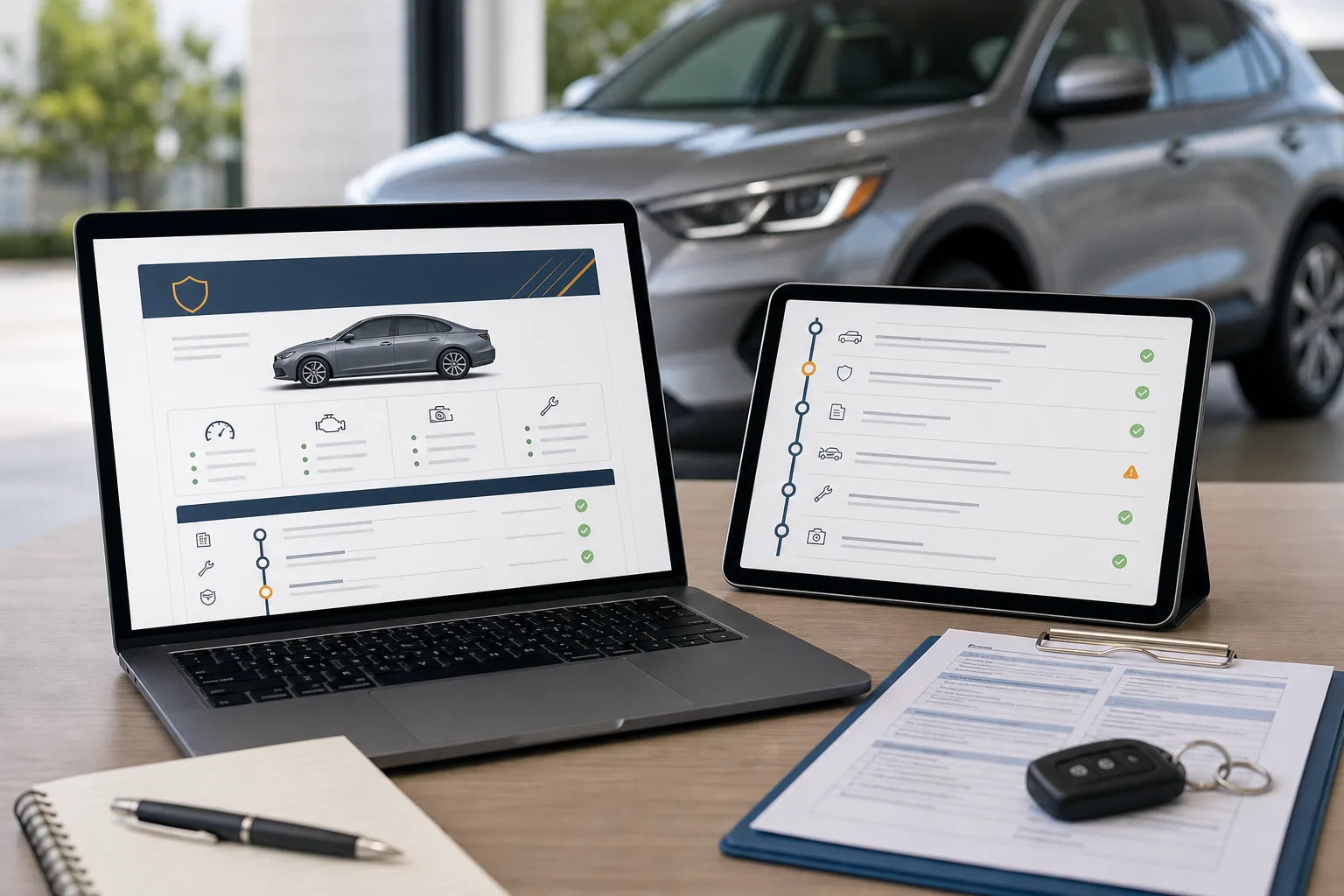
The value comes from the relationship among records. A title transfer alone may be routine. A title transfer immediately after a collision, auction, or large mileage change deserves more attention. A chronological report helps buyers see those connections.
For examples of how specific categories should be interpreted, read our guides to vehicle title reports and accident history and damage records.
The best report for your purchase is the one that clearly covers the record categories you need and explains where availability may vary.
How to compare VIN report services
Review the included categories
Look for a specific feature list. Does the report include title brands, mileage, damage, auctions, listings, and ownership events? Are advanced categories limited to a higher package? The Sales Title Meter packages page makes those levels visible before checkout.
Consider the intended decision
A modest older commuter car may justify a different research level than a late-model luxury vehicle, performance car, truck used for towing, or vehicle purchased remotely. Higher financial stakes often make deeper title, mileage, damage, and market-history review worthwhile.
Look for clear limitations
Responsible services explain that records depend on available data and that no report can guarantee a vehicle’s condition. Be cautious of absolute claims. Private repairs, delayed reporting, data errors, and events outside participating systems can produce gaps.
Evaluate presentation and usability
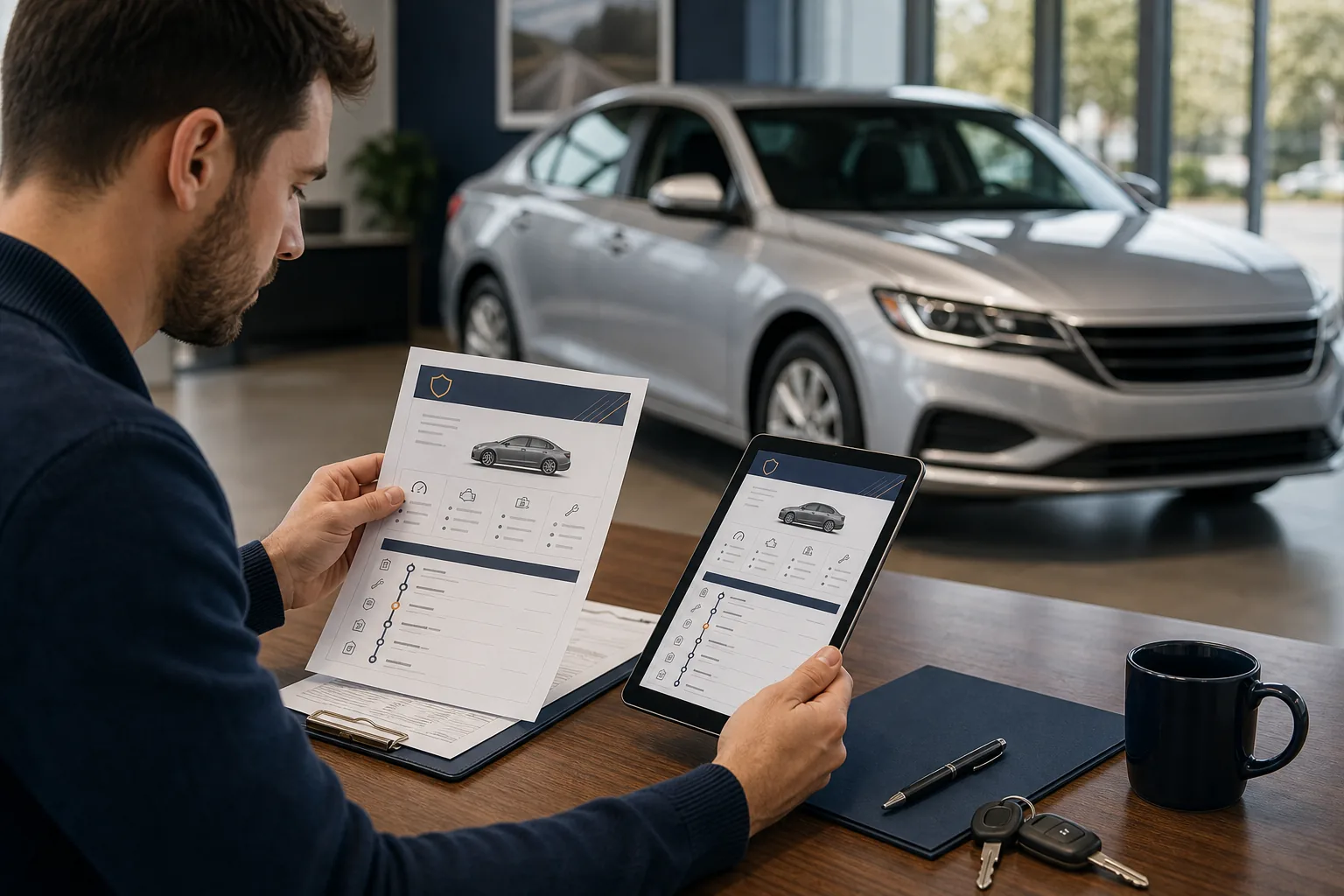
A long list of raw entries is less useful if the buyer cannot understand it. Look for readable sections, a chronological timeline, status indicators, and downloadable access. The sample vehicle report shows the style of organized presentation buyers can use during an inspection or seller conversation.
Check whether the report supports your next step
A good report should help you form questions: Why did the title move? What happened near this mileage reading? Was the damaged area repaired? Why did the car appear at auction? It should support due diligence rather than create false certainty.
Choosing the right report depth
Start with your risk tolerance and the vehicle’s value. A basic package can provide a broad first look. A more detailed package may add mileage verification, collision context, auction history, deeper title review, or priority preparation. The deepest package may suit serious buyers, sellers, dealers, or high-value decisions.
Regardless of depth, combine the results with the same core process:
- Confirm the VIN on the vehicle and documents.
- Compare the report with the seller’s claims.
- Investigate title, mileage, damage, and ownership inconsistencies.
- Arrange an independent mechanical and structural inspection.
- Verify current title and lien status through official channels.
- Use the combined evidence to negotiate or decline the vehicle.
If you are early in the buying process, begin with our article on why a VIN report is essential before buying a used vehicle. It explains how to turn report entries into seller questions and inspection priorities.
What neither report can replace
Neither a VIN lookup nor a full vehicle history report can inspect brake wear, diagnose a transmission, test battery health, find every water leak, or verify repair workmanship. Neither can guarantee that every historical event was reported. Both are research tools.
The physical title, official registration process, and lien verification remain essential legal steps. The road test and professional inspection remain essential condition steps. Use digital records to make those steps more focused and informed.
Sales Title Meter brings available record categories into a structured report that buyers can keep for reference. Visit the home page to start with a VIN, or compare Starter, Enhanced, and Ultimate report coverage.
Frequently asked questions
Is a VIN report different from a vehicle history report?
The terms often describe the same general service. Differences usually come from the provider, included data, package depth, source availability, and presentation.
What does a free VIN lookup usually show?
It may show decoded vehicle specifications. Some tools add limited history indicators, but coverage varies, so review the feature list before relying on the result.
Which report should a used-car buyer choose?
Choose based on included record categories, clarity, limitations, vehicle value, and purchase risk—not the product name alone.
Do I still need an inspection after a car history check?
Yes. Historical records cannot determine the vehicle’s current mechanical condition or verify every repair. Use an independent inspection and test drive.